
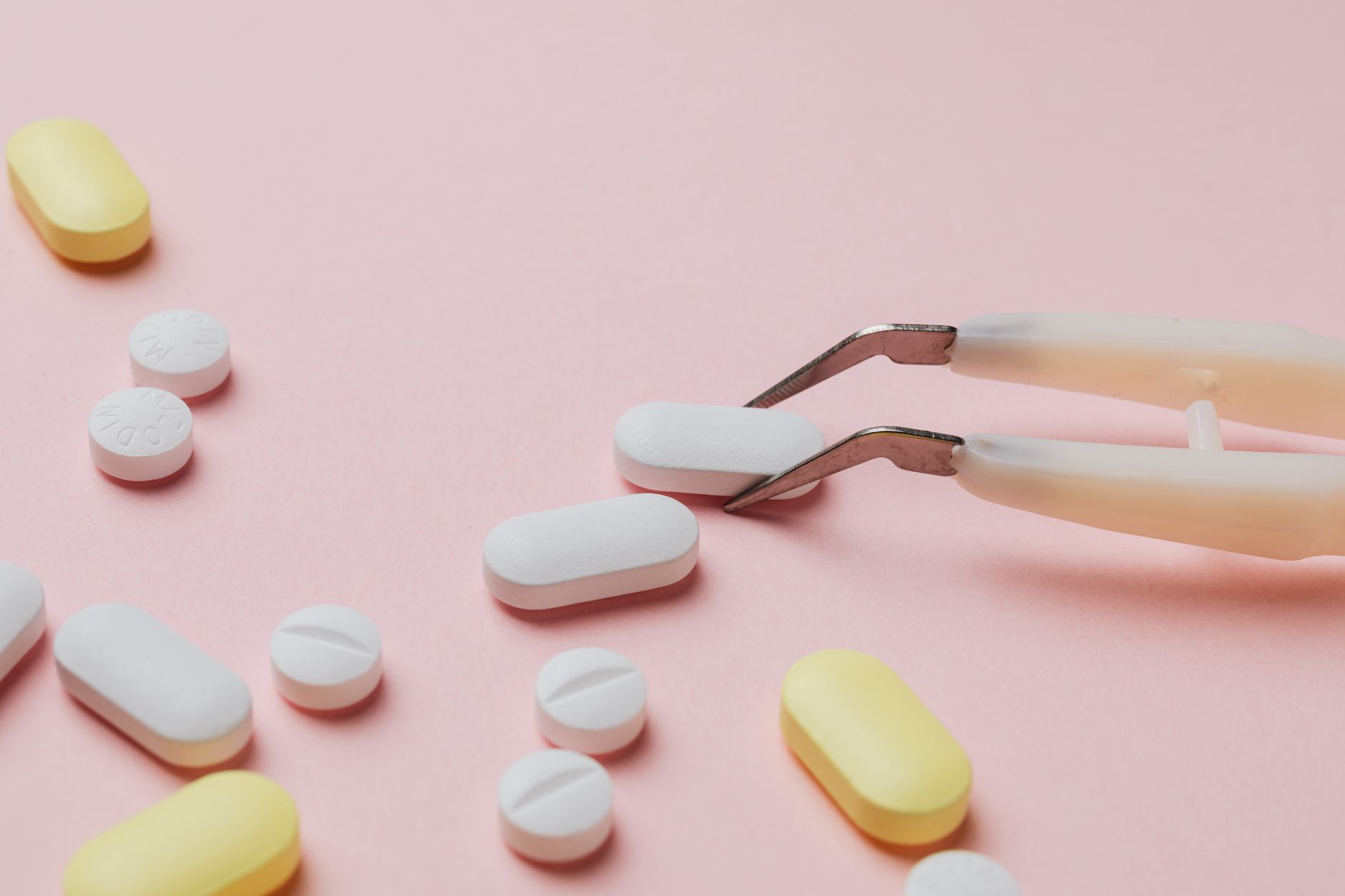
The 2026 Guide to Halal Medicine: Navigating OTC Drugs in the US
Your 2026 Guide to Halal Medicine and OTC Drugs in the United States
For millions of Muslim Americans, managing everyday health needs while staying true to Islamic dietary principles is a genuine and ongoing challenge. Navigating halal medicine and OTC drugs requires more than good intentions — it requires reliable information, practical tools, and confident conversations with healthcare providers. This guide breaks down what you need to know right now, from industry shifts happening in 2026 to exactly how to talk with your pharmacist about your options.
Important disclaimer: This guide is for informational purposes only and does not constitute medical advice. Always consult your doctor or licensed healthcare provider before making any changes to your medications or treatment plan.
The Current State of Halal Pharmaceuticals and 2026 Industry Shifts
The pharmaceutical industry in the United States has historically operated without any formal obligation to disclose ingredient sourcing in a way that is meaningful to religiously observant consumers. For years, Muslim patients have had to rely on personal research, community networks, and manufacturer call centers to determine whether a given product was permissible. That landscape is beginning to shift in measurable ways.
In 2025 and into 2026, a growing number of mid-size supplement and OTC manufacturers began adopting transparent labeling practices under pressure from both the halal consumer market and the broader clean-label movement. Several major pharmacy chains have quietly expanded their store-brand lines to include gelatin-free, plant-based capsule formulations. While a universal federal halal certification standard for pharmaceuticals still does not exist in the US, third-party certification bodies such as the Islamic Food and Nutrition Council of America (IFANCA) have increased their pharmaceutical certification audits significantly over the past two years.
Consumer demand is also driving digital change. Health apps, certification databases, and community-based directories are filling the information gap that regulatory agencies have not yet addressed. As Muslim Americans make up an increasingly significant purchasing demographic, the business case for transparent halal medicine and OTC drugs labeling has become harder for manufacturers to ignore.
Common Hidden Non-Halal Ingredients in OTC Drugs
Understanding what to look for is the first step toward making informed choices at the pharmacy. The most frequently encountered non-halal ingredient in over-the-counter medications is porcine gelatin, derived from pigs, which is used as a shell material in gel capsules and soft gels. It appears in everything from common pain relievers sold as liquid gels to probiotic supplements and fish oil capsules. The word "gelatin" on a label, without any specification of source, should prompt further investigation.
Ethanol, or pharmaceutical-grade alcohol, is another significant concern. Many liquid cough and cold formulations — including well-known products like NyQuil — contain alcohol as a solvent or preservative. While Islamic scholars hold varying opinions on the permissibility of medicinal alcohol, many observant Muslims prefer to avoid it entirely when alternatives exist. Liquid antihistamines, oral suspensions, and certain mouthwash-based products are other common sources.
Beyond gelatin and ethanol, consumers should be aware of stearic acid and magnesium stearate, which are used as flow agents in tablets and may be derived from animal sources. Carmine, a red dye derived from insects, occasionally appears in coated tablets and flavored chewables. Lanolin, derived from sheep wool grease, is used in some topical vitamin D supplements and skin-related medications. When in doubt, contact the manufacturer directly and ask specifically about the source of each animal-derived ingredient.
Finding Halal, Vegan, or Kosher-Certified Alternatives for Pain Relief, Cold and Flu, and Allergies
The good news is that viable alternatives exist across all major OTC categories, and knowing where to look makes the process far more manageable. For pain relief, look for acetaminophen or ibuprofen sold in standard compressed tablet form rather than liquid gel capsules, as tablets typically do not require gelatin. Several brands now explicitly market their capsules as vegetarian or vegan, which also means they are gelatin-free by default.
For cold and flu symptoms, daytime non-drowsy formulations in tablet form are often safer choices than their liquid or gel counterparts. Brands that carry a certified vegan or kosher designation on their packaging are generally reliable proxies for halal compliance, since both certifications prohibit porcine ingredients and kosher additionally restricts certain animal mixing. Always verify the alcohol content on liquid formulations, and prioritize tablet-based decongestants and expectorants when available.
For allergy relief, second-generation antihistamines like cetirizine and loratadine are widely available in plain tablet form without gelatin or alcohol. Generic store-brand versions at major pharmacies frequently match or exceed name-brand formulations in both purity and value. Reading ingredient labels carefully — specifically the inactive ingredients section — will reveal far more than the front of the packaging ever will.
Finding the right products is much easier when you have access to a trusted community network. Rizqly.com maintains a growing directory of Muslim-friendly healthcare providers, including independent pharmacies staffed by Muslim pharmacists who understand these concerns firsthand. Searching the Rizqly directory for a local independent pharmacy can connect you with professionals who are already familiar with halal medicine and OTC drugs questions and can guide you toward pre-vetted alternatives without requiring you to start from scratch each time.
How to Speak With Your Pharmacist About Compounding and Alternative Formats
Many patients do not realize that pharmacists are among the most accessible healthcare professionals available to them, and that a brief conversation can open up significantly more options. When you approach your pharmacist, be direct and specific. You can say: "I need to avoid porcine gelatin and alcohol-based ingredients in my medications for religious reasons. Can you help me identify alternatives or check the inactive ingredients for this product?"
Compounding pharmacies represent a powerful but underutilized resource for observant Muslim patients. A compounding pharmacist can prepare a custom formulation of a prescribed medication using only halal-compliant excipients — typically replacing gelatin capsules with hydroxypropyl methylcellulose (HPMC) vegetarian capsules and substituting alcohol-based solvents with aqueous alternatives. This is especially valuable for children's formulations, pediatric antibiotics, and patients managing chronic conditions who take the same medication daily over long periods.
When requesting tablet versus capsule formats, ask your pharmacist whether the active drug is available in a standard compressed tablet, which almost never requires gelatin. For liquid medications that are medically necessary and have no tablet equivalent, ask about the specific alcohol concentration and consult with your healthcare provider and, if needed, a knowledgeable Islamic scholar to make an informed decision based on your specific circumstances.
Independent pharmacists are often more flexible and more conversational than those working in large chain environments. Again, the Rizqly.com directory is a valuable starting point for locating independent pharmacies and Muslim healthcare providers in your area who can support you in navigating halal medicine and OTC drugs with genuine understanding and practical expertise.
Take the Next Step for Your Health and Your Community
Navigating halal medicine and OTC drugs does not have to be an isolating or overwhelming process. With the right information, the right questions, and the right community around you, you can make confident, faith-aligned health decisions for yourself and your family. Remember to always consult your doctor before changing or substituting any prescribed or recommended medication.
If this guide helped you, please share it with your family members, friends, and your local masjid community — this information is especially useful for parents, elderly family members, and anyone newly navigating the US healthcare system. Subscribe to the Rizqly newsletter at Rizqly.com to receive updated resources, provider spotlights, and community health guides delivered directly to your inbox.
Discover Muslim-Owned Businesses Near You
Browse thousands of halal businesses, Islamic schools, Muslim professionals and more.
Browse Rizqly →