
Halal Food
The 2026 Guide to Halal Pet Food Brands and Raw Feeding in the US
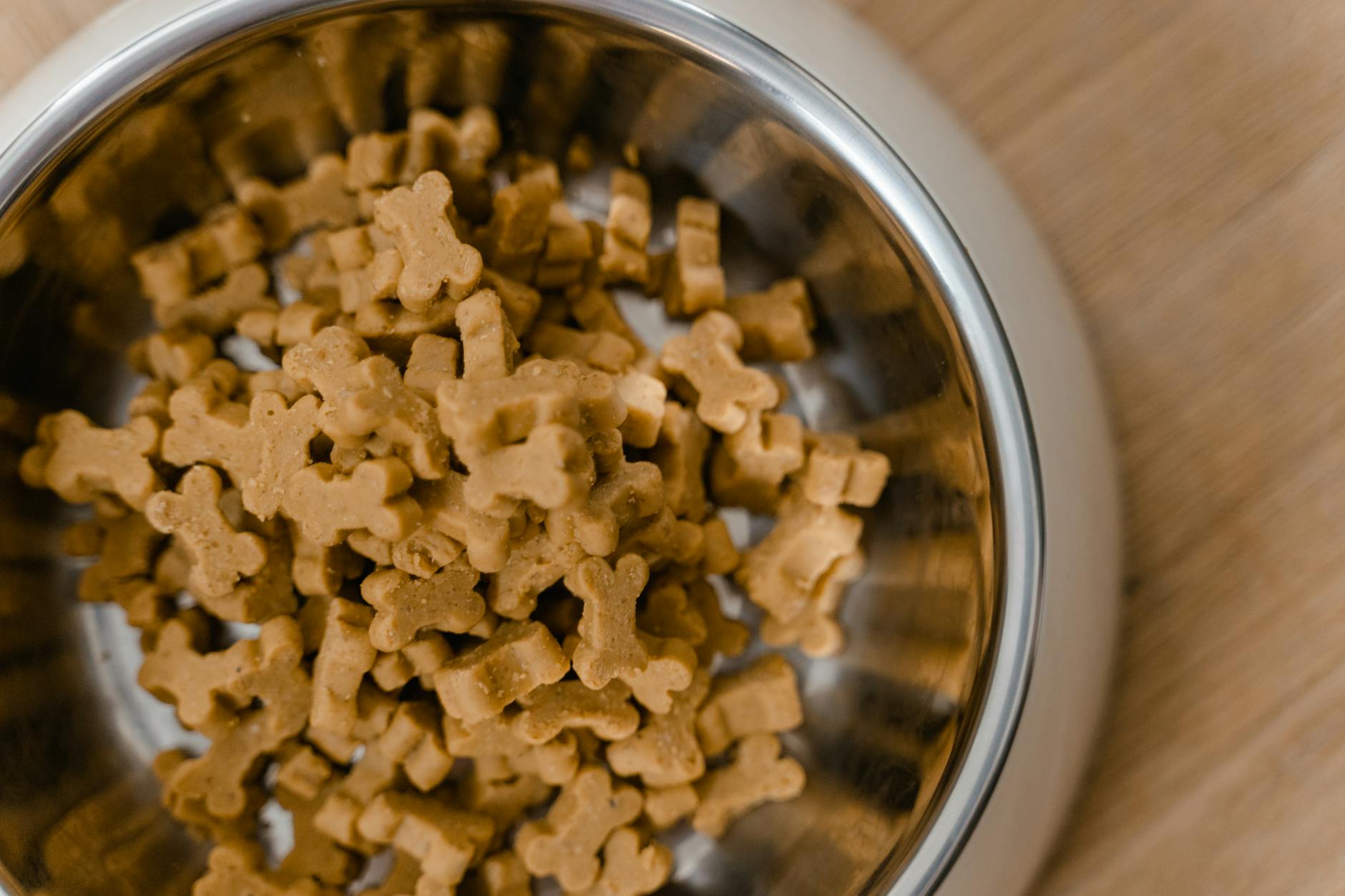
Halal Pet Food in 2026: A Practical Guide for Muslim Pet Owners in the US
Caring for a pet as a Muslim comes with a unique set of considerations. Many observant Muslim households prefer that the food entering their homes — including what they feed their animals — aligns with Islamic principles. The search for halal pet food brands in the United States, however, has historically led to dead ends, outdated information, or outright frustration. This guide is here to change that.
The good news is that 2026 looks meaningfully different from even a few years ago. While the mainstream commercial pet food industry has yet to produce a widely available, halal-certified dry kibble in the US market, Muslim pet owners are far from out of options. A growing ecosystem of small producers, international brands, and community-driven workarounds is making it increasingly possible to feed your cat or dog in a way that aligns with your values.
Why There Are No Major Halal Kibble Brands in the US Yet
The absence of certified halal kibble from major US manufacturers is not surprising when you consider the production process. Commercial dry pet food is made at scale in facilities that process pork by-products, blood meal, and unspecified animal proteins — ingredients that are fundamentally incompatible with halal standards. Obtaining halal certification for these supply chains would require a complete overhaul of sourcing and processing protocols.
Major pet food corporations have little financial incentive to pursue halal certification for what they currently perceive as a niche market, despite Muslim Americans representing over 3.5 million households. Until market pressure builds further, the burden remains on individual pet owners to find alternatives. Fortunately, those alternatives are becoming more sophisticated and accessible.
The Rise of Halal Raw Feeding
The most significant development in the halal pet food brands space over the past few years has been the growth of raw feeding among Muslim pet owners. Raw feeding — providing cats and dogs with minimally processed, biologically appropriate meat — naturally lends itself to halal certification because it involves whole, identifiable cuts of meat rather than rendered by-product blends.
When the meat is sourced from zabiha-slaughtered animals, the result is a pet food that is both nutritionally dense and compliant with Islamic dietary guidelines. The raw feeding model also allows for greater transparency, since owners can verify the source and slaughter method of each protein their pet consumes. This combination of traceability and religious compliance has made raw feeding the fastest-growing approach among Muslim pet owners.
Spotlight: Halal-N-Tayyib Meats
One of the most talked-about names in the halal raw pet food conversation is Halal-N-Tayyib Meats, a farm-direct brand that offers zabiha-slaughtered, human-grade raw meat suitable for pet consumption. Their products are sourced from animals raised without the routine use of antibiotics or added hormones, and every cut is processed under Islamic slaughter guidelines. This makes them a rare and valuable option for US-based Muslim pet owners who want verifiable halal compliance.
What sets operations like Halal-N-Tayyib apart is the farm-direct model itself. By connecting consumers directly to the source, these producers eliminate the opacity that makes mainstream pet food so difficult to evaluate from a halal perspective. Muslim pet owners can order with confidence knowing exactly what their animals are eating and how it was prepared.
International Pioneers Worth Knowing
The global market for halal pet food brands is further along than the US market, and several international brands have paved the way that domestic producers are now following. In the United Kingdom, Tiana and Hurayra have established themselves as dedicated halal pet food companies, offering certified wet and dry formulations for cats and dogs. Both brands approach pet nutrition with Islamic values at the center of their business model, not as an afterthought.
In Southeast Asia, Powercat from Malaysia has become a recognizable name in the halal cat food category, sold in multiple countries and carrying legitimate halal certification. While international shipping costs can make these brands impractical for everyday US purchases, their existence is significant. They demonstrate that scalable, certified halal pet food manufacturing is achievable, and they set a precedent that American producers and consumers can point to when making the case for domestic options.
The Named-Fish Workaround for Mainstream Brands
For Muslim pet owners who rely on commercial pet food out of necessity — whether due to budget, time, or availability — there is a practical workaround worth understanding. Many mainstream brands offer formulas built entirely around named fish species, such as salmon, mackerel, or whitefish. These products typically contain no pork derivatives, no unspecified meat by-products, and no land-animal proteins.
Fish does not require the same method of slaughter as land animals under the majority scholarly opinion in Islamic jurisprudence, making fish-based pet foods a generally permissible option for many Muslims. The key is to read ingredient labels carefully and avoid any formulas that include chicken fat, beef tallow, pork gelatin, or vague terms like "animal digest" or "meat by-products." Brands such as Purina Beyond Ocean Whitefish and similar fish-centric lines can serve as a bridge solution while the halal pet food market continues to develop.
Finding Local Halal Butchers for Home-Prepared Pet Meals
Home preparation is another avenue that many Muslim pet owners are exploring, particularly those with the time and interest to follow veterinarian-approved raw or cooked meal plans for their animals. The core challenge with home preparation is sourcing affordable, zabiha-certified meat in sufficient quantities. This is where your local halal butcher becomes an invaluable resource.
Many halal butchers carry organ meats, bones, and trim cuts that are perfect for pet meals and are often sold at lower prices than premium human-consumption cuts. Building a relationship with your local butcher can open access to a consistent, certified supply of raw ingredients. It is a community-centered solution that aligns with the broader ethos of halal living.
To find halal butchers near you who may be willing to supply meat for home-prepared pet meals, search the Rizqly.com directory. Rizqly is a trusted community resource that helps Muslim consumers locate halal businesses across the United States, including butchers, grocers, and specialty food suppliers. Searching the halal butcher category on Rizqly.com is one of the most direct ways to connect with local suppliers who can support your pet's dietary needs.
What to Look for When Evaluating Halal Pet Food Brands
As the market evolves, Muslim pet owners should develop a consistent framework for evaluating any product that claims halal status. Legitimate halal pet food brands should be able to provide documentation from a recognized certifying body, identify the specific animals and slaughter facilities used, and confirm that cross-contamination with pork products is prevented throughout processing.
Be cautious of brands that use halal language in their marketing without third-party certification to back it up. The term "halal" is not legally regulated in the US pet food industry the way it is in some international markets, which means claims can be made loosely. When in doubt, contact the manufacturer directly and ask specific questions about their supply chain and certification status.
The Community Is Growing
Muslim pet owners in the US are not navigating this landscape alone. Online communities, social media groups, and platforms like Rizqly.com are creating spaces where halal-conscious pet owners can share recommendations, flag problematic products, and support emerging halal pet food brands. The collective purchasing power and advocacy of this community will ultimately be what drives the mainstream pet food industry to take halal certification seriously.
Until that day comes, the combination of halal raw feeding, fish-only mainstream formulas, home preparation with locally sourced zabiha meat, and international brands represents a genuinely workable approach. Your pet can be nourished well, and your household can remain consistent with your values. Start by exploring what is available near you — visit Rizqly.com today to find halal butchers and food suppliers in your area who can help you build a sustainable, permissible feeding plan for your pet.
Published by Rizqly Editorial
Written by
Rizqly Editorial
Editorial Team
Reporting on modest fashion, beauty, food and the people shaping Muslim life in America.