
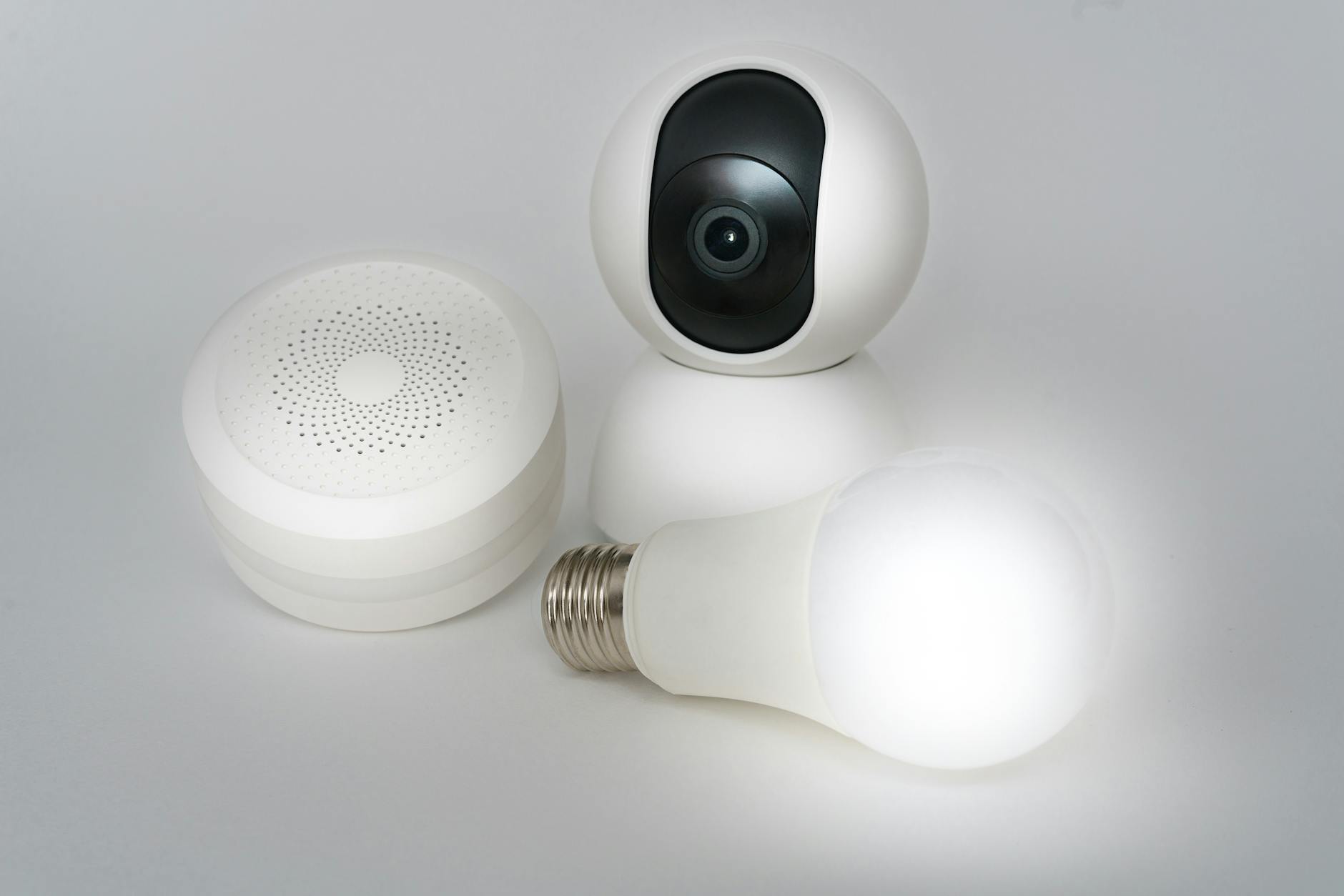
The 2026 Guide to Privacy-First Smart Home Security for Muslim Families
Protecting What Matters Most: A Guide to Halal Smart Home Security in 2026
For Muslim households, the home is not simply a physical space. It is a sanctuary governed by principles of privacy, modesty, and trust. Choosing a smart home security system requires more than comparing camera resolutions or mobile app ratings. It demands a thoughtful approach that aligns with Islamic values, particularly the concept of awrah and the protection of family privacy from outside eyes.
The good news is that the technology landscape in 2026 has shifted significantly in favor of privacy-first solutions. Local processing hubs, subscription-free hardware, and on-device AI are making halal smart home security more accessible and affordable than ever before. This guide walks you through what to look for and which systems deserve your attention.
Why Privacy Is a Non-Negotiable for Muslim Families
Islamic tradition places enormous emphasis on the sanctity of the home. The concept of awrah extends beyond personal modesty to encompass the private spaces where family members live, worship, and rest. Allowing a third-party corporation to store footage of your home's interior on remote servers raises genuine concerns that go beyond cybersecurity.
Many mainstream security systems upload continuous video to cloud servers, often in jurisdictions with weak privacy protections. For Muslim households where women may be in states of undress within the home, or where family gatherings involve spaces not meant for outside observation, this is a serious consideration. The ideal halal smart home security solution keeps your data local, in your control, and off corporate servers entirely.
Beyond the spiritual dimension, there is also a financial one. Recurring subscription fees for cloud storage conflict with the Islamic principle of avoiding wasteful or unnecessary spending. A system that charges you monthly just to access your own camera footage is worth reconsidering.
Local Processing: The Foundation of Privacy-First Security
Local processing means your security system analyzes footage and stores data on hardware inside your home, not on a company's remote server. This is the core feature to prioritize when building a halal smart home security setup. In 2026, this technology has matured considerably, making it both reliable and user-friendly.
The Home Assistant Green is one of the most compelling options for Muslim households seeking full control over their smart home ecosystem. This compact hub runs the open-source Home Assistant platform, which supports hundreds of compatible devices and keeps all automation logic and camera feeds processed locally. There are no mandatory subscriptions, no corporate data harvesting, and no dependency on a company's server staying online.
Home Assistant Green connects with a wide range of cameras, sensors, door locks, and motion detectors. It supports end-to-end encrypted remote access through their Nabu Casa service, which is optional and reasonably priced, but the system functions entirely without it. For tech-savvy families, this level of control is empowering. For those less comfortable with configuration, the growing community around Home Assistant and resources like Rizqly.com make the learning curve manageable.
Subscription-Free Hardware Worth Considering
Eufy has established itself as a leading brand in the subscription-free security camera space. Their cameras store footage locally on a home base station using encrypted storage, with no mandatory cloud uploads. Eufy's 2026 lineup includes cameras with on-device AI capable of distinguishing between humans, animals, and vehicles without sending data to external servers.
This local AI capability was a standout trend at CES 2026, where multiple manufacturers showcased cameras with edge-computing chips powerful enough to run facial recognition, object detection, and activity zone filtering entirely on the device itself. For Muslim households, this means intelligent alerts without the privacy trade-off of streaming your family's movements to a corporate data center.
Reolink is another brand worth considering, offering NVR-based systems where all footage is stored on a network video recorder in your home. Their 2026 PoE camera systems deliver excellent image quality and integrate cleanly with Home Assistant. Lorex similarly offers professional-grade local storage systems that require no subscription to access recordings.
CES 2026 Trends That Support Halal Smart Home Security
The consumer electronics industry's direction in early 2026 has been encouraging for privacy-conscious families. On-device AI processing was perhaps the most prominent theme at CES 2026, with chip manufacturers like Qualcomm and Ambarella showcasing security camera processors capable of running large language model-style analysis locally. This means cameras can understand context, generate alerts, and filter false alarms without a cloud connection.
Matter protocol adoption has also accelerated, creating a more unified standard for local smart home communication. Devices from different manufacturers can now communicate directly through your local network hub, reducing dependence on manufacturer-specific cloud bridges. This interoperability is excellent news for Home Assistant users building out a comprehensive halal smart home security system across multiple device brands.
Thread networking, which underlies much of the Matter ecosystem, also strengthens local reliability. Security devices can communicate even if your internet connection goes down, which is a meaningful practical advantage beyond the privacy benefits.
Building Your System: A Practical Starting Point
For most Muslim households, a sensible starting point is a Home Assistant Green hub paired with two or three Eufy outdoor cameras covering entry points. Add a Reolink NVR if you want continuous recording rather than motion-triggered clips. Zigbee-based door and window sensors from Aqara or SONOFF integrate seamlessly with Home Assistant and add perimeter awareness without cameras in sensitive indoor spaces.
It is worth being intentional about camera placement. Interior cameras in living spaces, bedrooms, or prayer areas should be avoided entirely or used only in configurations where footage never leaves your local network and is accessible only to the head of household. The goal is protecting the home from external threats, not creating a surveillance infrastructure within it.
For families ready to explore these options further, Rizqly.com maintains a curated section of Muslim lifestyle technology resources, including product roundups, setup guides, and community recommendations tailored to Islamic household values. Visiting Rizqly.com is a natural next step if you want peer-reviewed guidance from a community that understands your priorities.
Budgeting With Islamic Financial Principles in Mind
One of the underappreciated advantages of local-processing security systems is the long-term cost structure. A one-time investment in a Home Assistant Green hub, a few quality cameras, and local storage can protect your home for years without ongoing fees. Compare this to subscription-based systems that can accumulate hundreds of dollars in annual costs for functionality that keeps your data off your own property.
Upfront costs for a solid local system typically range from three hundred to six hundred dollars depending on camera count and storage capacity. This compares favorably with systems like Ring or Nest, which charge monthly fees and keep your footage on Amazon or Google servers indefinitely. Choosing subscription-free hardware is both financially sound and spiritually aligned with avoiding unnecessary expenditure.
Stay Informed With the Rizqly Community
The world of privacy-focused smart home technology moves quickly, and keeping up with the latest halal smart home security options requires ongoing attention. New devices, firmware updates, and integration improvements emerge regularly, and knowing which products genuinely honor your privacy commitments takes research.
Rizqly.com is built for exactly this purpose. Our newsletter delivers curated Muslim lifestyle tech tips, product reviews, and community insights directly to your inbox, helping your household make informed decisions that reflect your values. Subscribe today at Rizqly.com and join a growing community of Muslim families building homes that are both intelligently protected and genuinely private.
Discover Muslim-Owned Businesses Near You
Browse thousands of halal businesses, Islamic schools, Muslim professionals and more.
Browse Rizqly →