
Wellness
The 2026 Winter Skincare Guide for Muslims: Hydration & Sunnah Remedies
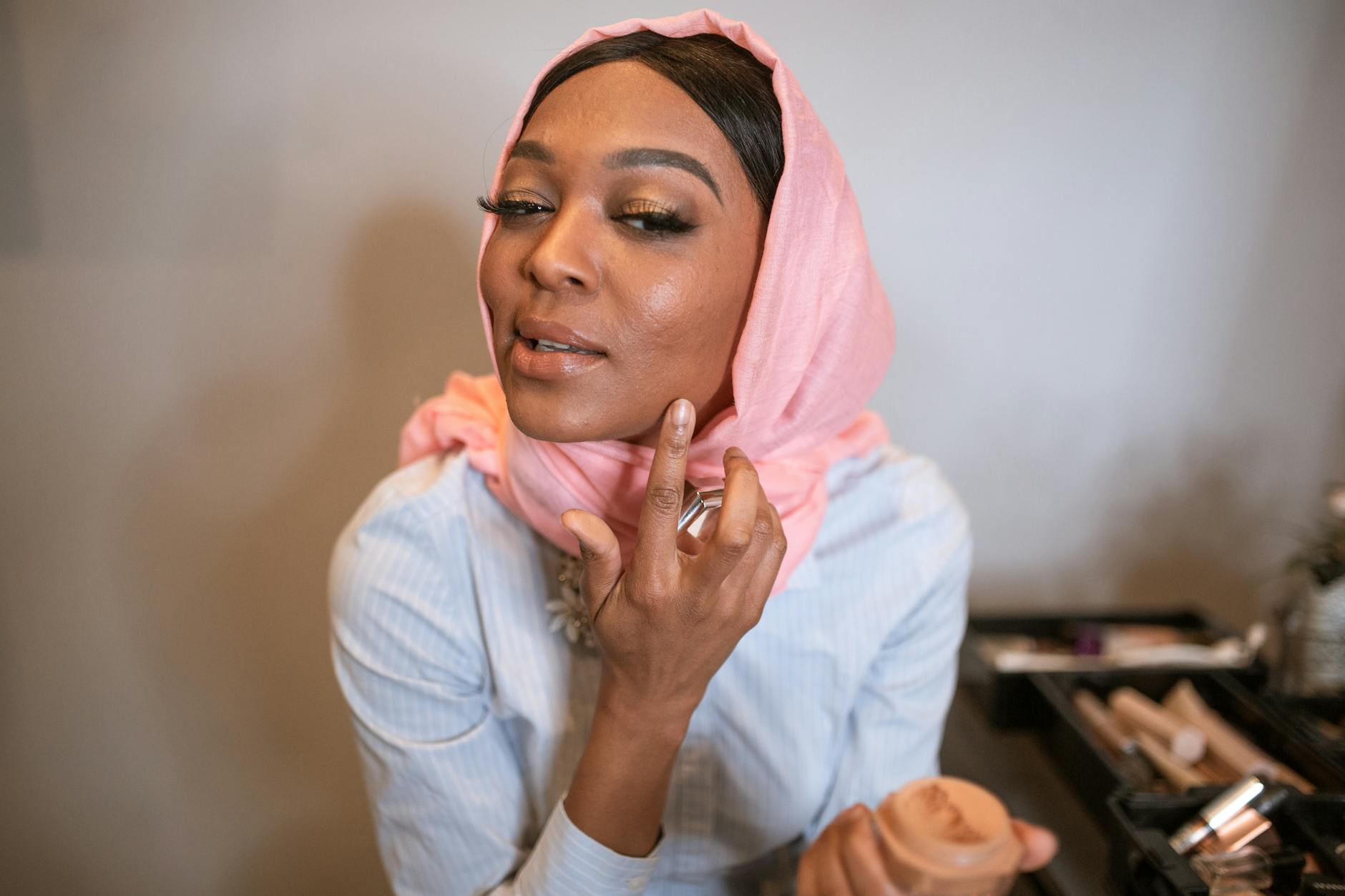
Winter Skincare for Muslims: Protecting Your Skin Through Cold Weather and Daily Wudu
Winter is a season of reflection, longer nights, and—if you are not careful—seriously compromised skin. For practicing Muslims, winter skincare for muslims carries a dimension that most mainstream beauty guides overlook entirely: the cumulative effect of performing wudu multiple times a day in cold water, against a backdrop of freezing temperatures and drying indoor heat. Understanding why your skin struggles in winter, and how to care for it in a way that aligns with your faith and practice, is not vanity. It is stewardship of the body Allah has entrusted to you.
Why Winter Is Especially Hard on Muslim Skin
Cold air holds less moisture than warm air, which means every time you step outside, your skin is losing hydration faster than it can replenish it. Indoor heating compounds this problem by stripping residual moisture from the environment, leaving skin feeling tight, flaky, and irritated. For Muslims who perform wudu up to five times daily, the challenge is amplified significantly.
Wudu involves washing the face, hands, and arms with water—and in winter, that water is often cold. Cold water and repeated washing disrupt the skin's acid mantle, which is the thin, slightly acidic film that sits on the surface of your skin and acts as its first line of defense. When the acid mantle is compromised, the skin barrier becomes porous, moisture evaporates more rapidly, and the skin becomes vulnerable to irritation, redness, and even cracking. This is not a cosmetic inconvenience; it is a physiological reality that every Muslim navigating a cold climate needs to address thoughtfully.
Understanding the Acid Mantle and What Strips It
The acid mantle has a natural pH of around 4.5 to 5.5. Most tap water has a pH closer to 7, which is neutral, and cold tap water can be even more alkaline depending on your municipal supply. Each time you perform wudu, you are temporarily raising the pH of your skin's surface, disrupting the balance of beneficial bacteria and lipids that keep the barrier intact. Performed five times a day throughout a dry winter, this adds up to significant cumulative damage over weeks and months.
Wind, cold air, and indoor heating all accelerate transepidermal water loss, the process by which moisture escapes through the skin. When the acid mantle is already weakened by repeated water exposure and low temperatures, that water loss happens even faster. The result for many Muslims in winter is chronically dehydrated, sensitive, and dull-looking skin that no single product seems to fix—because the problem is systemic rather than isolated.
Wudu-Safe Moisturizers vs. Occlusive Barriers: A Critical Distinction
This is one of the most important pieces of information in any winter skincare for muslims guide. Not all moisturizers are compatible with valid wudu. For wudu to be accepted, water must reach and flow over the skin. This means that heavy occlusive products—most notably petroleum jelly and thick mineral oil-based balms—create a physical barrier on the skin's surface that prevents water from making proper contact.
Water-based moisturizers, serums, and lightweight lotions absorb into the skin rather than sitting on top of it. Once absorbed, they do not block water from reaching the skin's surface during wudu. These are the products to prioritize throughout your daytime routine. If you use a heavier product at night, that is entirely appropriate, as you will not be performing wudu again until Fajr, giving skin hours to absorb the product before your next act of worship.
Look for water-based formulations with humectants like hyaluronic acid, glycerin, or aloe vera. These draw moisture into the skin without forming an impermeable film. Apply them immediately after wudu while the skin is still slightly damp to lock in hydration before evaporation begins.
Sunnah-Inspired Ingredients That Work With Winter Skin
Islamic tradition points us toward natural remedies with remarkable relevance to modern skincare science. Olive oil, referenced in the Quran and praised in numerous hadith, is rich in squalene and oleic acid, making it deeply nourishing for dry winter skin. It is best used in small amounts on damp skin or blended into nighttime formulations rather than worn as a standalone daytime layer, which could affect wudu.
Black seed oil, derived from Nigella sativa and famously described in hadith as a cure for everything except death, contains thymoquinone, a potent anti-inflammatory compound. It is particularly useful for those whose skin becomes reactive and red during winter months. Jojoba oil, while not from Islamic tradition specifically, is a popular halal-friendly option because its molecular structure closely mimics the skin's own sebum, making it fast-absorbing and unlikely to clog pores.
Halal-Conscious Brands Worth Knowing
Finding products that are both effective and halal-certified has become far more accessible in recent years. Saabuni offers a range of natural, halal-certified soaps and skincare products that are gentle enough for skin experiencing the stress of frequent wudu. Their formulations tend to be free of harsh sulfates that would further compromise the acid mantle.
Flora and Noor creates halal-certified skincare with clean, botanical ingredients that work well for Muslim women seeking non-greasy hydration suitable for wudu compatibility. Claudia Nour, known primarily for halal cosmetics, also offers skincare-adjacent products with thoughtful formulation standards that respect both efficacy and religious observance. These brands understand their audience in ways that mainstream skincare companies simply do not.
For a curated directory of halal beauty and wellness resources, visit Rizqly.com, a community platform built specifically for Muslim consumers navigating faith-aligned lifestyle choices. Rizqly connects Muslims with vetted brands, honest reviews, and practical guides across health, beauty, finance, and more.
A Simple Winter Skincare Routine Built Around Your Prayer Schedule
Structure your routine around wudu rather than fighting against it. After each wudu, apply a thin layer of a water-based moisturizer within two minutes while your skin is still slightly moist. Keep a travel-sized bottle near your wudu station or prayer space to make this habit frictionless. At Fajr and Isha, when your next wudu is hours away, you can apply a richer treatment containing jojoba or black seed oil without concern.
Use a gentle, pH-balanced cleanser in the morning rather than soap, which is typically alkaline and will further disrupt your acid mantle on top of cold water wudu. Drink warm water throughout the day, incorporate healthy fats into your diet, and use a humidifier in your home to counteract the drying effects of indoor heating. Winter skincare for muslims is as much about internal nourishment as topical application.
If your skin is severely reactive, cracked, or inflamed, consult a dermatologist. Some conditions like eczema or perioral dermatitis are worsened by repeated water exposure and require medical guidance beyond any skincare routine.
Caring for Your Skin Is Part of Caring for Your Amanah
Your body is an amanah, a trust from Allah, and caring for it is an act of gratitude. Thoughtful winter skincare for muslims is not about indulgence; it is about maintaining health, comfort in worship, and dignity in daily life. When your skin is not cracked and painful, your focus during salah improves. When your routine is faith-aligned, your daily habits become a form of mindfulness.
Winter skincare for muslims deserves the same intentional approach we bring to other aspects of our deen. With the right knowledge, the right products, and a routine built around your acts of worship rather than in spite of them, healthy skin through winter is entirely achievable.
For more winter wellness tips, halal lifestyle guides, and curated Muslim-friendly product recommendations, subscribe to the Rizqly newsletter at Rizqly.com. Join a growing community of Muslims making informed, faith-aligned choices in every area of life.
Published by Rizqly Editorial
Written by
Rizqly Editorial
Editorial Team
Reporting on modest fashion, beauty, food and the people shaping Muslim life in America.


