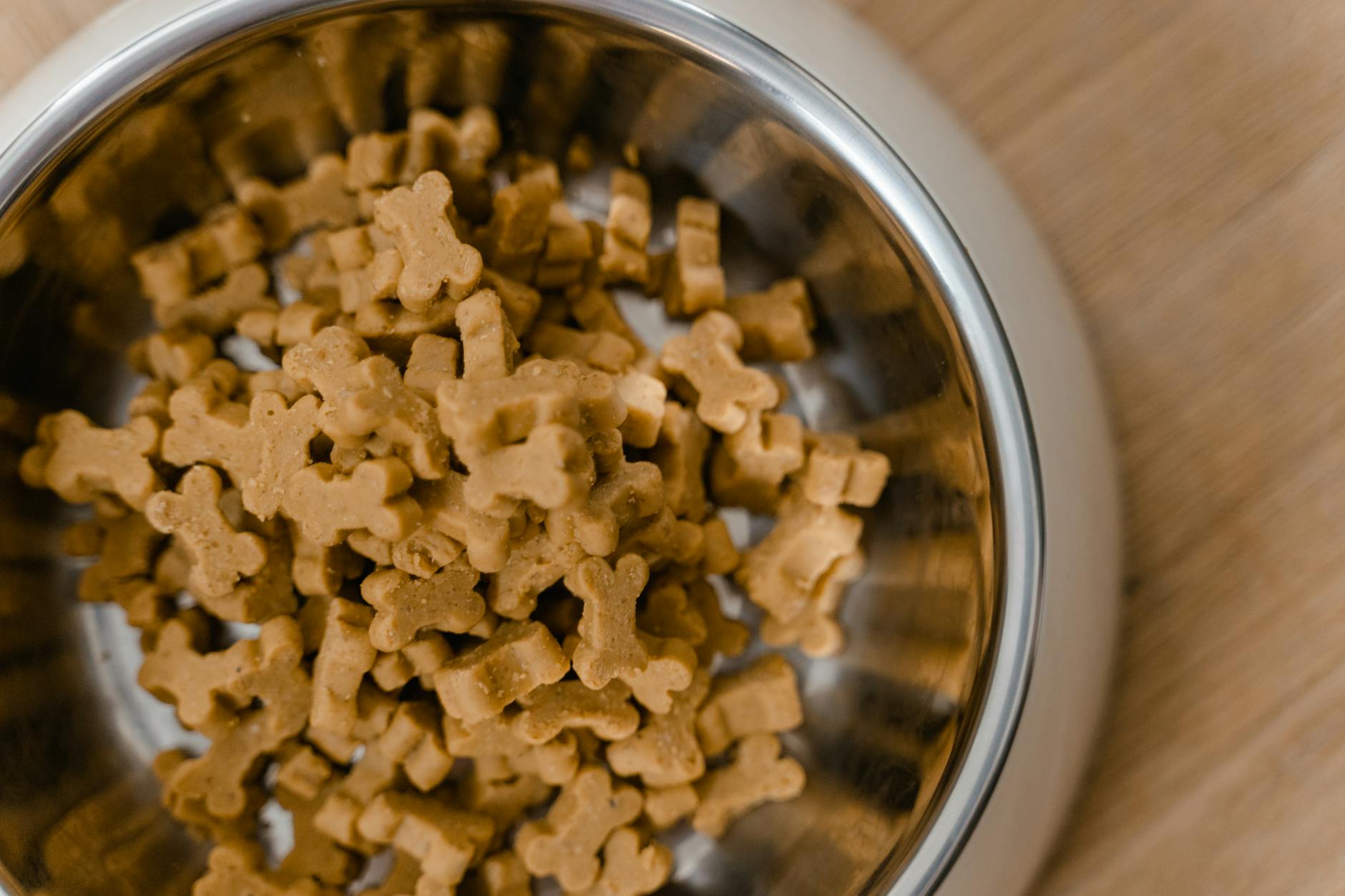
Halal Food
2026 Halal Grocery Guide: Top Finds at Costco, Whole Foods & Walmart

Halal Food at US Supermarkets: Your 2026 Shopping Guide
The landscape of halal food at US supermarkets has changed dramatically over the past several years, and Muslim American families now have more purchasing power and more choices than ever before. The American halal market has grown to an estimated $25 billion industry, and major retail chains have taken serious notice. Whether you are stocking a weekly pantry or planning for a large family gathering, knowing how to shop smart at big-box retailers can save you time, money, and unnecessary stress.
This guide is designed to walk you through what is available at the largest chains, which Muslim-founded brands deserve a place in your cart, and how to decode ingredient labels with confidence. Consider this your practical toolkit for navigating the modern halal shopping experience.
How Major Retailers Are Expanding Halal Inventory
Costco has quietly become one of the most significant players in mainstream halal retail. Warehouse members across the country can now find halal-certified whole chickens, lamb cuts, and ground beef in dedicated sections, often at competitive bulk pricing. The chain has responded directly to member demand and demographic shifts in suburban America, and the selection continues to grow each season.
Whole Foods Market has taken a premium approach to halal food at US supermarkets, stocking certified halal poultry from brands like Crescent Foods alongside its existing natural and organic product lines. The alignment between halal values and clean-label eating has made Whole Foods a surprisingly accessible destination for Muslim shoppers who prioritize both religious compliance and ingredient quality. Locations in major metro areas tend to carry the widest selection.
Walmart has pursued the broadest reach of all three chains, integrating halal products into both its physical stores and its online grocery platform. Shoppers in smaller cities and suburban areas who may not have access to a dedicated halal butcher can now order certified halal proteins and pantry staples for pickup or delivery. This accessibility has been a genuine game-changer for Muslim families living outside major population centers.
Muslim-Founded Brands Worth Knowing
Supporting Muslim-founded businesses is one of the most meaningful ways to align your spending with your values, and several national brands have earned their place on mainstream shelves through quality and consistency. Crescent Foods, founded on a commitment to hand-slaughtered, antibiotic-free poultry, is now available in hundreds of stores nationally and remains a benchmark for halal certification integrity. Their products are clearly labeled and widely trusted within the community.
Saffron Road has built an impressive portfolio of globally inspired frozen entrees, broths, and pantry items that carry both halal certification and non-GMO credentials. Their products appear regularly at Whole Foods, Target, and specialty grocers, making halal food at US supermarkets feel less like a compromise and more like a genuine culinary upgrade. The brand was founded with Muslim consumers explicitly in mind and has maintained rigorous certification standards throughout its growth.
Other brands to look for include Midamar, a long-standing halal beef and poultry supplier with deep roots in the American Muslim community, and Al Safa, which offers a wide range of frozen halal convenience foods suitable for busy households. Keeping a mental list of these brands makes in-store navigation faster and builds a shopping habit rooted in intentional community support.
Reading Labels: Hidden Ingredients Every Halal Shopper Should Know
Even when a product appears safe at first glance, certain ingredients can introduce doubt about its halal status. Gelatin is one of the most common culprits, appearing in everything from yogurt and marshmallows to vitamin capsules and certain baked goods. Unless the label specifies halal-certified or plant-based gelatin, it is safest to assume it may be derived from pork or non-halal slaughtered animals.
Microbial enzymes present a more nuanced challenge. These are used in cheese production and many processed dairy products, and while they are technically microbial in origin, some are cultivated on substrates that may not meet halal standards. When a label reads simply "enzymes" without further specification, contacting the manufacturer directly or defaulting to certified halal dairy is the most reliable approach.
Rennet is another dairy-related ingredient that causes confusion. "Vegetarian rennet" sounds reassuring but is not automatically halal, as the microbial sources and production processes vary. Look specifically for the halal certification symbol from a recognized body such as ISNA, IFANCA, or HFA rather than relying on terms like "vegetarian" or "natural" as a proxy for compliance.
L-cysteine, sometimes listed as an amino acid, is a dough conditioner found in commercial bread and baked goods that can be derived from human hair or non-halal animal sources. Carmine, a red food coloring listed as E120 or "natural red 4," is derived from insects and is not halal. Familiarizing yourself with these ingredient names transforms label reading from a chore into a habit you can practice in under thirty seconds per product.
Balancing Big-Box Shopping with Local Muslim-Owned Businesses
While major retailers have made halal food at US supermarkets more accessible than ever, there is irreplaceable value in shopping at local, independent Muslim-owned grocery stores and butchers. These businesses typically offer hand-slaughtered fresh meat, specialty cuts for South Asian and Middle Eastern cuisines, and imported pantry staples that no warehouse chain will ever stock. They also keep dollars circulating within the community.
Finding these local gems used to require word of mouth alone, but that has changed. Rizqly.com maintains a growing business directory specifically curated for Muslim-owned and Muslim-friendly businesses across the United States. Whether you are looking for a reliable zabiha butcher in your city or a halal grocery with imported goods, the Rizqly directory is a practical first stop that connects intention with action.
Making local shopping part of your routine does not require abandoning the convenience of Costco or Walmart. A smart approach is to source staple proteins and fresh meat from your neighborhood halal butcher found through Rizqly.com, then supplement with pantry items and specialty certified brands during your regular big-box run. This balance supports the broader halal economy while keeping your household logistics manageable.
Building a Smarter Halal Pantry in 2026
The growth of halal food at US supermarkets means Muslim American families are no longer limited to a single specialty store or a short list of options. With a solid understanding of which brands to trust, which retailers to prioritize, and which ingredients to scrutinize, you can shop confidently across any major chain in the country. The $25 billion halal market reflects not just economic momentum but a community that has insisted on being seen and served with integrity.
Pair that confidence with regular use of local Muslim-owned businesses found through the Rizqly directory, and your household becomes an active participant in a thriving, self-sustaining halal economy. Every purchase is a vote for the kind of marketplace you want to exist.
To stay ahead of new halal product launches, retail expansions, and community shopping guides, subscribe to the Rizqly newsletter at Rizqly.com. Each week, subscribers receive curated halal product drops, lifestyle guides, and local business spotlights delivered directly to their inbox. Your pantry and your community will both be better for it.
Published by Rizqly Editorial
Written by
Rizqly Editorial
Editorial Team
Reporting on modest fashion, beauty, food and the people shaping Muslim life in America.